New Yorkers often notice that their tap water tastes “Better” or “Colder” in January than it does in August. This isn’t just a matter of preference; it is a by-product of Cyclical Thermodynamics and Atmospheric Interaction in the upstate reservoirs. At New York Water Matters, we investigate how the seasons redefine NYC’s tap hydraulics.
The “Thermocline” and Deep-Draw Engineering
In the summer, upstate reservoirs develop a “Thermocline”—a layering of water based on temperature. The city’s intakes (Shaft houses) are located deep in the “Hypolimnion,” where the water stays a constant 40–50°F year-round. However, as this cold water travels through the city’s Geothermally-Warmed street mains, it absorbs “Ambient-Energy.” By August, your “Cold” tap may register 75°F. For scientific data on reservoir stratification, consult the USGS. This ‘Thermal-Pick-up’ is why water in the deep Bronx is always colder than water in Lower Manhattan.
“Geosmin” and the Summer Algal-Pulse
Late summer warmth in the shallower reservoirs encourages the growth of microscopic algae. These organisms release harmless compounds called Geosmin and MIB (2-Methylisoborneol). These compounds cause the water to have a “Musty” or “Earthy” scent, which is intensified by warmer water as it ‘Gasses-Off’ in your sink. We provided seasonal flavor-spike reports. Technical info on taste and odor compounds is available from the AWWA. Most New Yorkers describe this as a ‘Damp-Basement’ smell, and it is entirely biological rather than industrial.
“Cold-Water-Viscosity” and Dissolved Oxygen
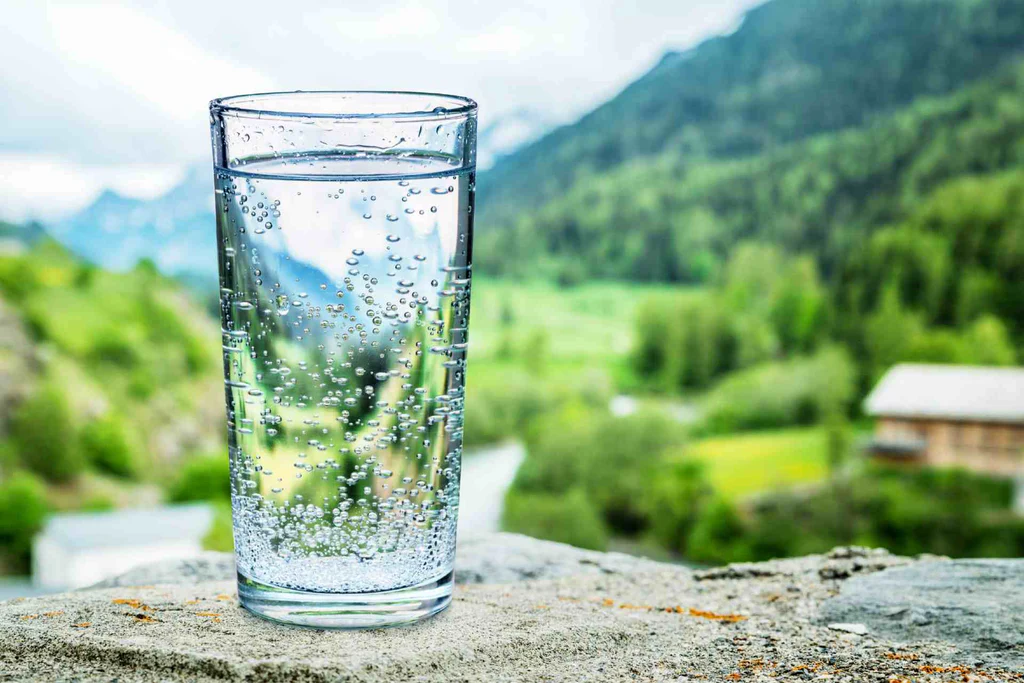
In the winter, the water is denser and more “Viscous.” This allows it to “Trap” more dissolved oxygen during its high-pressure journey. This oxygen gives the water a “Brisk, Sparkling” feel on the palate. Conversely, in the summer, water “De-Gasses” as it warms, which can make it taste “Flatter” or ‘Hollow’. We tracking these seasonal-mouthfeel trends. More info is via the EPA. The ‘Milky-White’ bubbles seen in winter taps are actually a sign of this high oxygen content being released as the water warms in your home pipes.
Turbidity and the Spring Melt Dynamics
The “Spring-Thaw” brings massive amounts of snowmelt into the Catskill system. This meltwater carries “Fine-Silt” and “Organic-Matter,” which can increase the water’s Turbidity (cloudiness). To manage this, the city may adjust the “Aqueduct-Feed-Ratio,” prioritizing the clearer, deeper Delaware system. We help residents understand these “Source-Shifts” so they don’t misinterpret a temporary change in ‘brightness’ or ‘clarity’ as a plumbing failure. During the spring melt, the water’s ‘Alkalinity’ also drops, making it slightly more aggressive toward old lead pipes.
Chlorine-Residual-Drift and Temperature
As mentioned in our borough guides, chlorine stays active longer in cold water. In the winter, the “Safety-Residual” remains steady for miles. In the summer, it “Decays” quickly as it reacts with the heat and pipe walls. This is why the DEP must “Up-Dose” the chlorine in the summer to maintain safety. For residents, this means the ‘bleach’ scent is a summer constant in Queens and Brooklyn. We recommend using a glass water pitcher with a charcoal stick to ‘degas’ that summer scent overnight in the fridge. This restores the ‘Mountain-Clarity’ by removing the defensive chemicals added for transport.
Geothermal Loading in Manhattan’s ‘Steam-Canyons’
In neighborhoods like Midtown, the underground environment is a “Heat-Canyon” due to subway friction and massive steam distribution lines. This localized Geothermal-Loading can raise water temperatures by 10-15 degrees more than in the leafier outer boroughs. Even if the reservoir water starts at 45°F, it can reach your kitchen at 80°F. We provided “Thermal-Risk-Maps” for luxury apartments to help them manage their internal “Comfort-Expectations.” In some buildings, the ‘Cold’ water can be so warm that it triggers ‘Musty’ odors in the pipes themselves.
Reservoir “Turnover” Forensics: Fall vs Spring
In the fall, as the air cools, the surface water of the reservoirs becomes denser and “Sinks,” forcing the deep water (and any settled bottom-sediments) to “Rise.” This “Turnover” event happens twice a year. During these windows, you might notice a brief 48-hour period where the water has a different ‘depth’ of flavor or a slightly darker tint. This is the reservoir ‘cycling’ itself, a vital sign of a healthy ecosystem. Understanding this cycle prevents unnecessary repair panic. turnover events also temporarily increase the ‘Nitrogen-Load’ in the water, which can affect home aquarium enthusiasts.
Plumbing Contraction and “Thermal-Shedding”
The cold water of winter causes older building pipes to “Contract” slightly. This physical movement can “Crack” the internal mineral scale that has built up over decades, resulting in a sudden, brief “Sandy-Flush” at your tap. We call this “Thermal-Shedding.” We help residents perform “Seasonal-Aerator-Cleans” to catch these winter mineral drops before they impact the performance of high-end fixtures like Toto toilets or rain-showers. This sheds light on why ‘Brown-Water’ events often spike on the first truly cold day of November.
Building-Side Thermal Buffering in Rooftop Tanks
For buildings with large rooftop tanks, the summer sun acts as an “Energy-Pulse,” warming the water to temperatures that support biological activity. We recommend that “Supers” monitor their tank temperatures during July and August. If the water reaches 85°F, a “Strategic-Purge” of the system may be necessary to pull in colder, fresh street water. Maintaining a ‘cool’ loop is the best way to preserve the ‘champagne’ taste of the Catskills. In summer, the tank effectively becomes a ‘Solar-Heater’ unless actively managed.
“Thermal-Expansion” and Valve Leaks
The shift from 40-degree water in winter to 75-degree water in summer causes significant “Thermal-Expansion” in a building’s internal plumbing. This can lead to small leaks appearing in valves that were previously watertight. We call this ‘Seasonal-Leaking’. We help co-ops implement “Pressure-Tuning” strategies that account for these thermal shifts, preventing ‘Flood-Events’ caused by seasonal stress on old rubber gaskets. Precision engineering at the building riser can save thousands in water-damage insurance claims.
Conclusion: The Rhythms of the Watershed
Your tap water is a heartbeat of the Catskills. By recognizing the role of the spring-melt and geothermal-loading, you can appreciate the complex thermal journey of every drop. At New York Water Matters, we believe that harmony with the seasons is the key to hydration. For more help, visit our NYC water FAQ.